
In the competitive textile market, innovating stopped being an option and became a necessity. It was precisely with this vision that Fakini decided to invest heavily in the modernization of its dry cleaning. The challenge was great: transforming traditional processes, often manual, into fully automated, precise and connected operations. To achieve this technological leap, the company chose EAS as a strategic partner, and the result was a true revolution towards Industry 4.0.
The Challenge: increase productivity and quality through automation
The Fakini factory, specialized and a national benchmark in the production of children's clothing, faced challenges that impacted its competitiveness:
- manual processes that demanded time and increased the chances of errors;
- waste of time and chemicals caused by craftsmanship in the auxiliary weighing process;
- production times with opportunities to improve efficiency.
These bottlenecks reduced efficiency and made operational flexibility difficult, creating a scenario that required change.
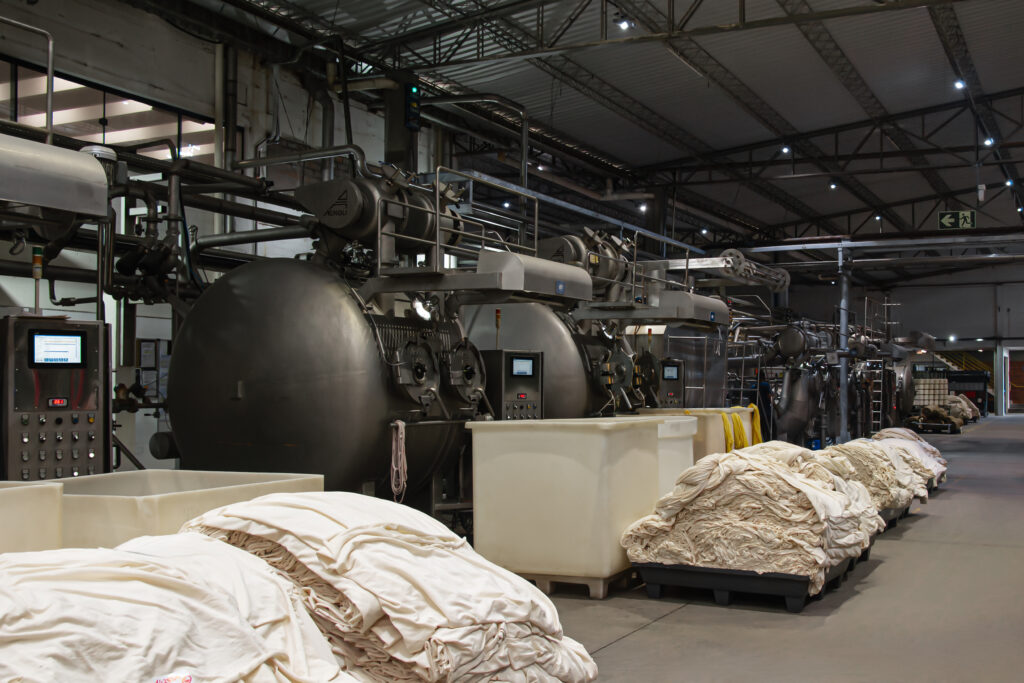
The Solution of EAS: cutting-edge technology and integration
After a thorough diagnosis, EAS he proposed a comprehensive automation solution that combined advanced technology, connectivity and practicality. The modernization included:
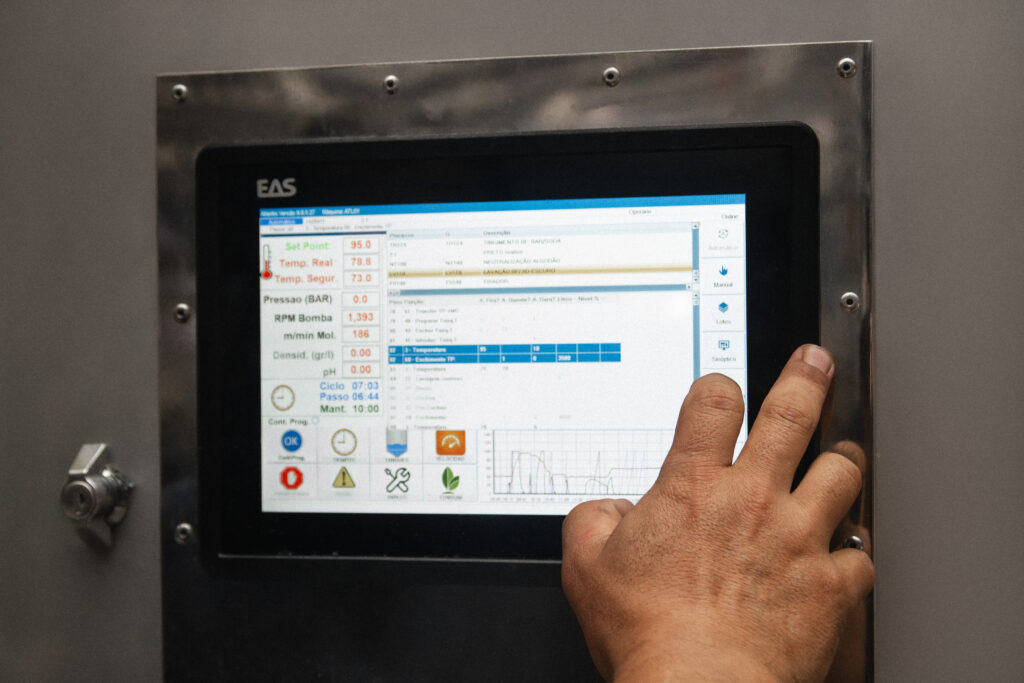
Controller Pct310 machines:
Implemented throughout the renewed fleet of machines, it provided personalized automation adapted to the needs of Fakini. The result: greater precision, reduction of variability and much more agile processes.
-
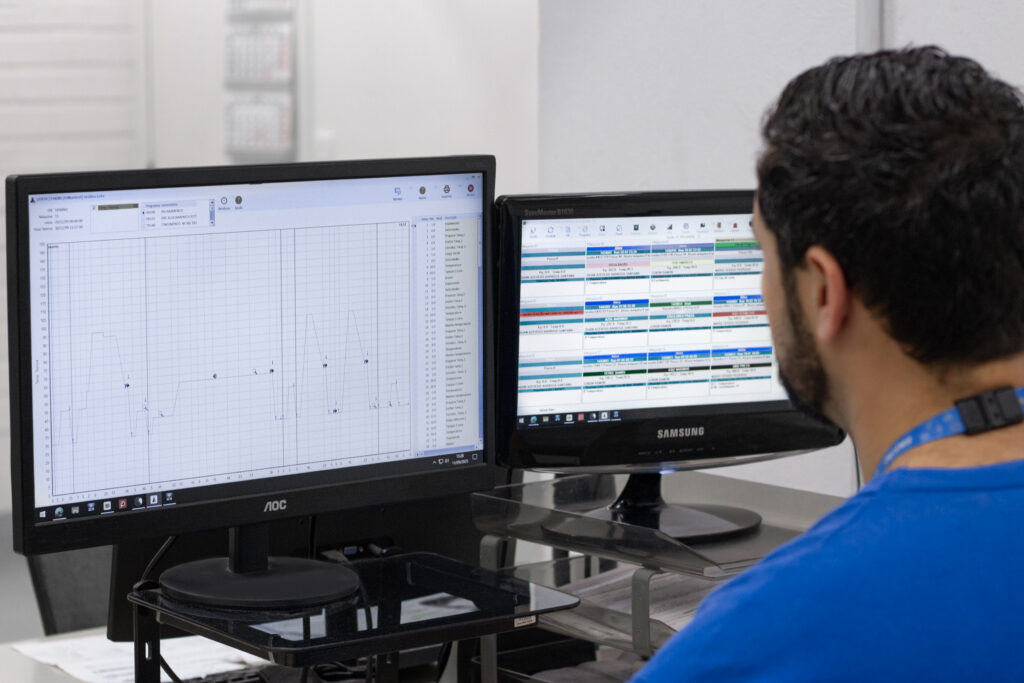
Mes system InfoTint:
The heart of digital transformation. With it, all dyeing and finishing recipes began to be managed centrally and digitally, allowing real-time monitoring, complete traceability and standardization of production.
TexPes Weighing Control:
The dye scales were connected to the system, guaranteeing exact dosages and automatic inventory control. This reduced human errors, reduced reprocessing and optimized input consumption.
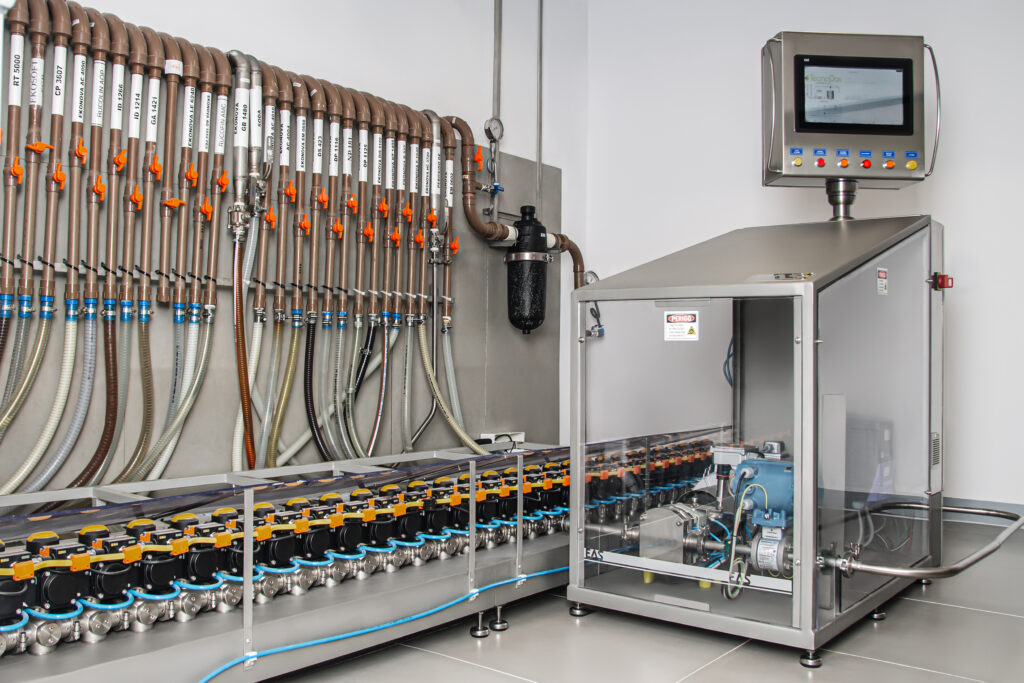
TechnoTwo
A true turning point for the operation. TecnoDos took on dosing and shipping liquid products directly to machines, eliminating manual tasks, reducing waste and providing a cleaner, safer and more ergonomic work environment.
Results: efficiency, quality and sustainability at another level
The benefits for Fakini they were immediate and transformative:
Operational Efficiency
Automation significantly reduced setup time, accelerated production cycles, and increased productivity without compromising quality.
Consistent Quality
Standardization of recipes and precision in dosing resulted in greater reproducibility, reducing variations and guaranteeing excellence in each batch produced.
Sustainability and Cost Reduction
The reduction in input waste and the intelligent use of resources directly impacted cost reduction and the sustainability of the operation.
Real-Time Management
The integration between MES InfoTint and TecnoDos allowed total visibility and control of production, providing greater agility in strategic decisions and increasing competitiveness Fakini in the market.
Safety and Ergonomics
The elimination of manual operations and the new, more organized environment contributed to improving working conditions and the safety of employees.
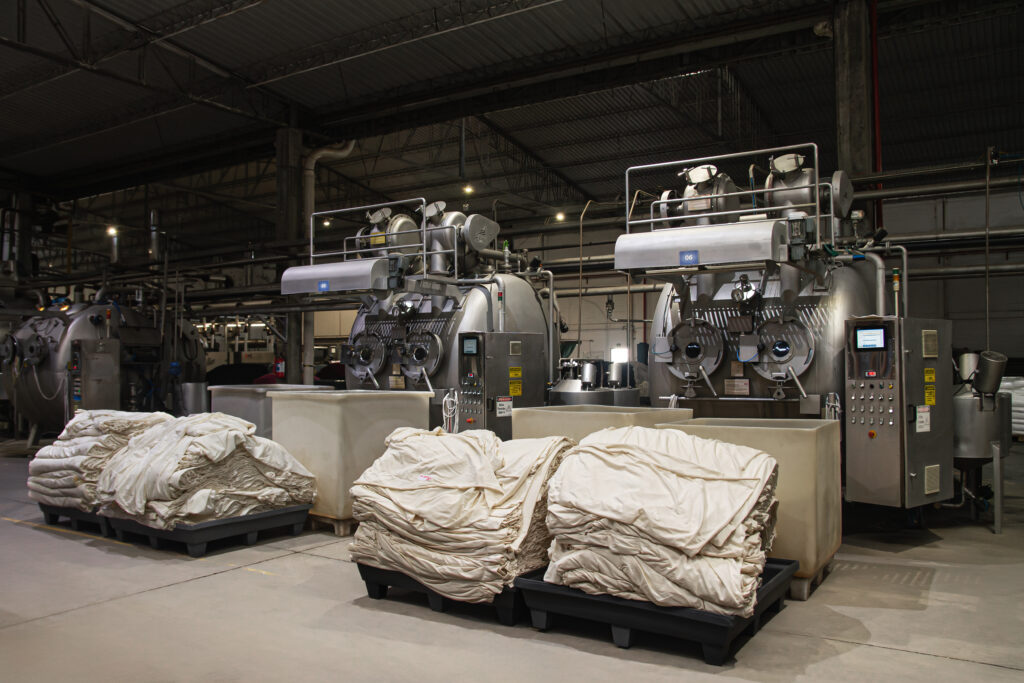
An example for the textile sector
Fakini it is today a reference case in the practical application of Industry 4.0 in the textile sector. The company managed to align innovation, efficiency and sustainability in a production model that reinforces its position in the market and inspires other factories to follow the same path.
If the history of Fakini inspires you, know that the team of EAS it is prepared to help your company transform your dry cleaning and achieve similar, or even superior, results. The future of textile production has already arrived, and we can take it to it.