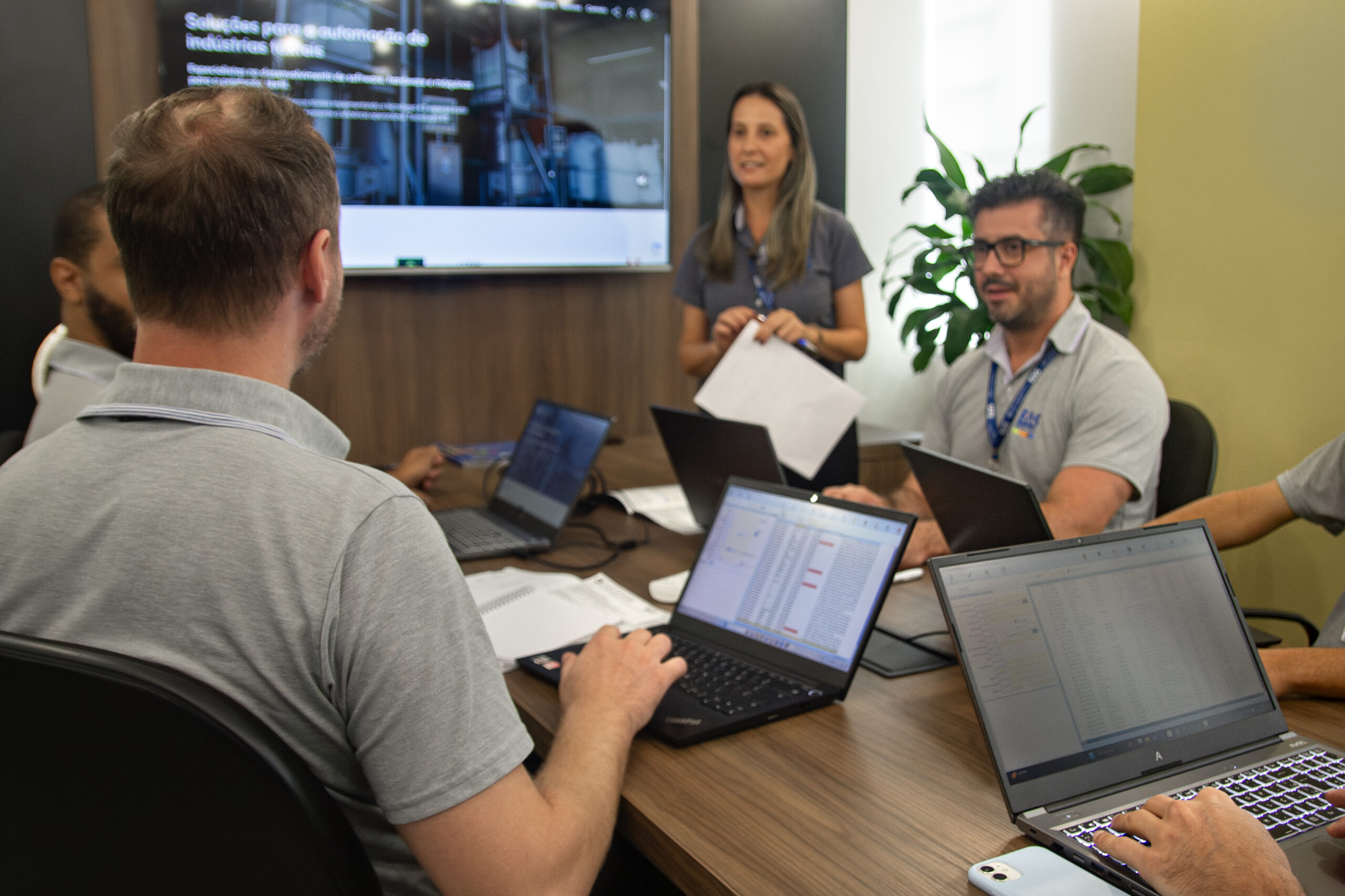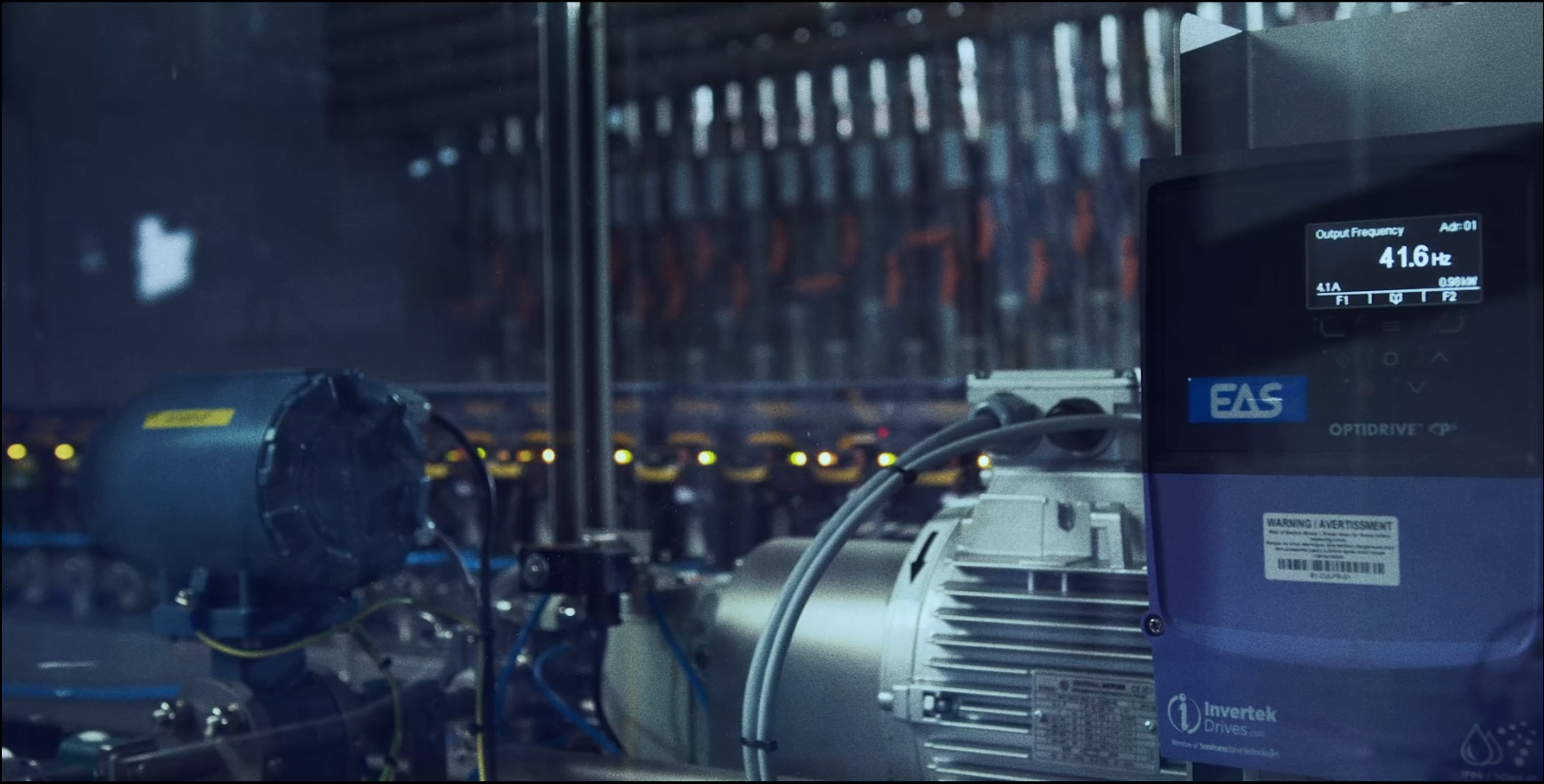

Software and automation for the textile industry
Connect your entire textile plant and turn its data into decisions.
We integrate ERP software, MES systems and industrial automation to control production, consumption, machinery and quality in real time.
- 35 years old of experience
- Specialization in textile industry
- Projects international





EAS Solutions
What challenge does your plant have?

Digitization · InfoTint
Connect systems and machinery
It connects plant information and facilitates an integrated view of systems, processes, and equipment.
Discover InfoTint
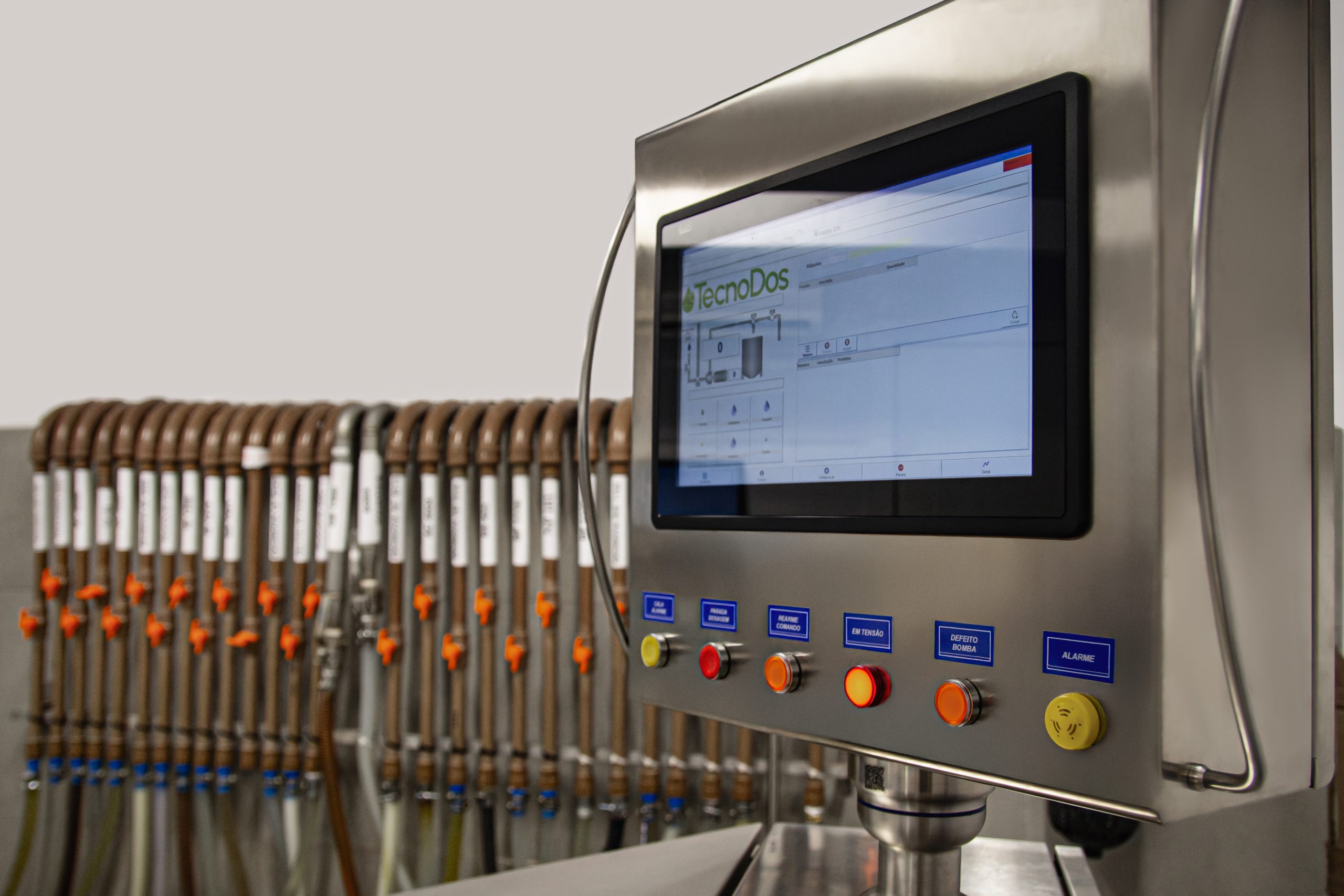
Dosage · TecnoDos
Reduce consumption and dosing errors
Automate dosing processes to gain control, repeatability and precision.
Discover TecnoDos
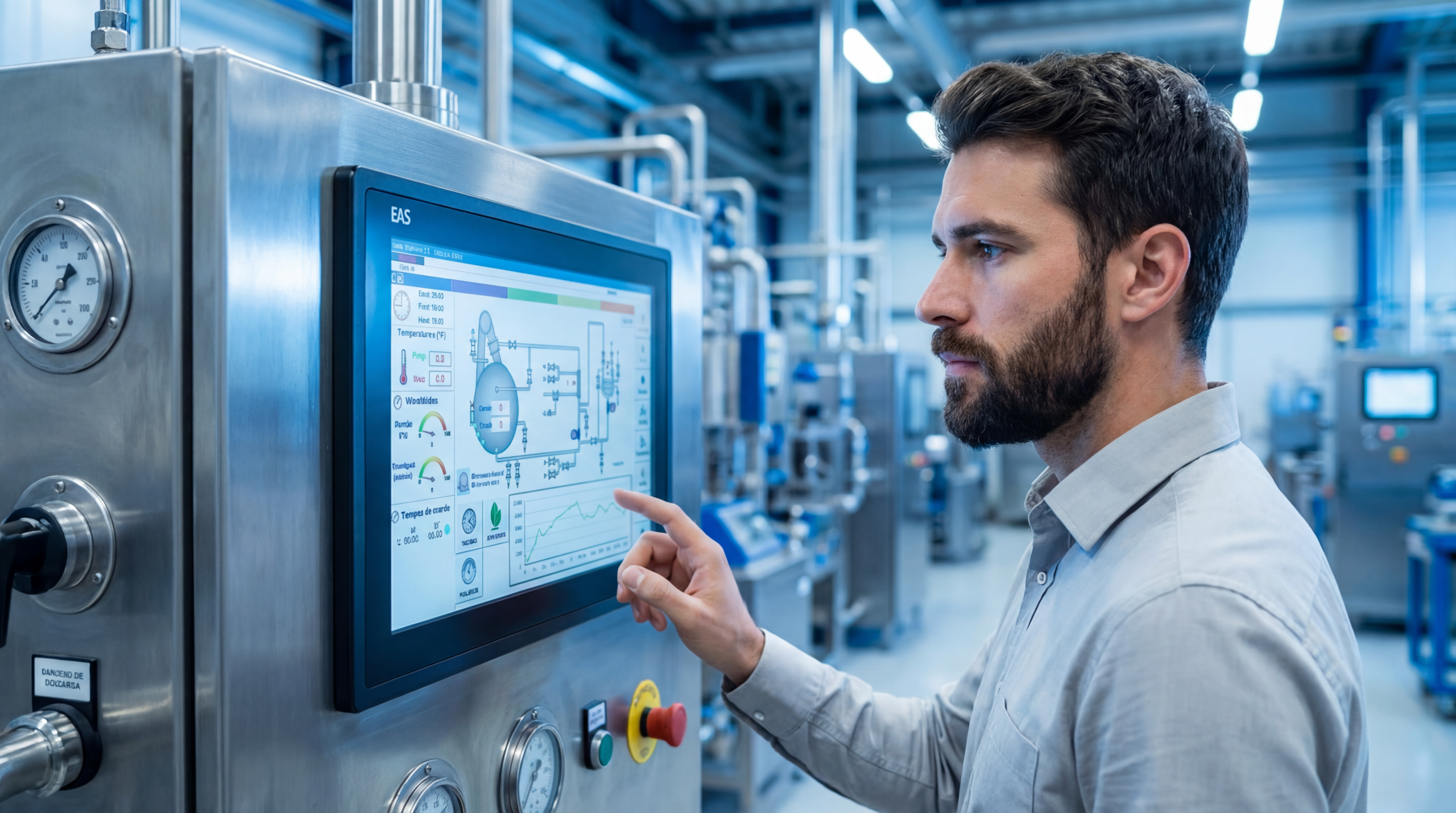
Modernization · Atlantis
Modernize existing machinery
Upgrade existing equipment and integrate it into a more connected and controllable plant.
Discover Atlantis
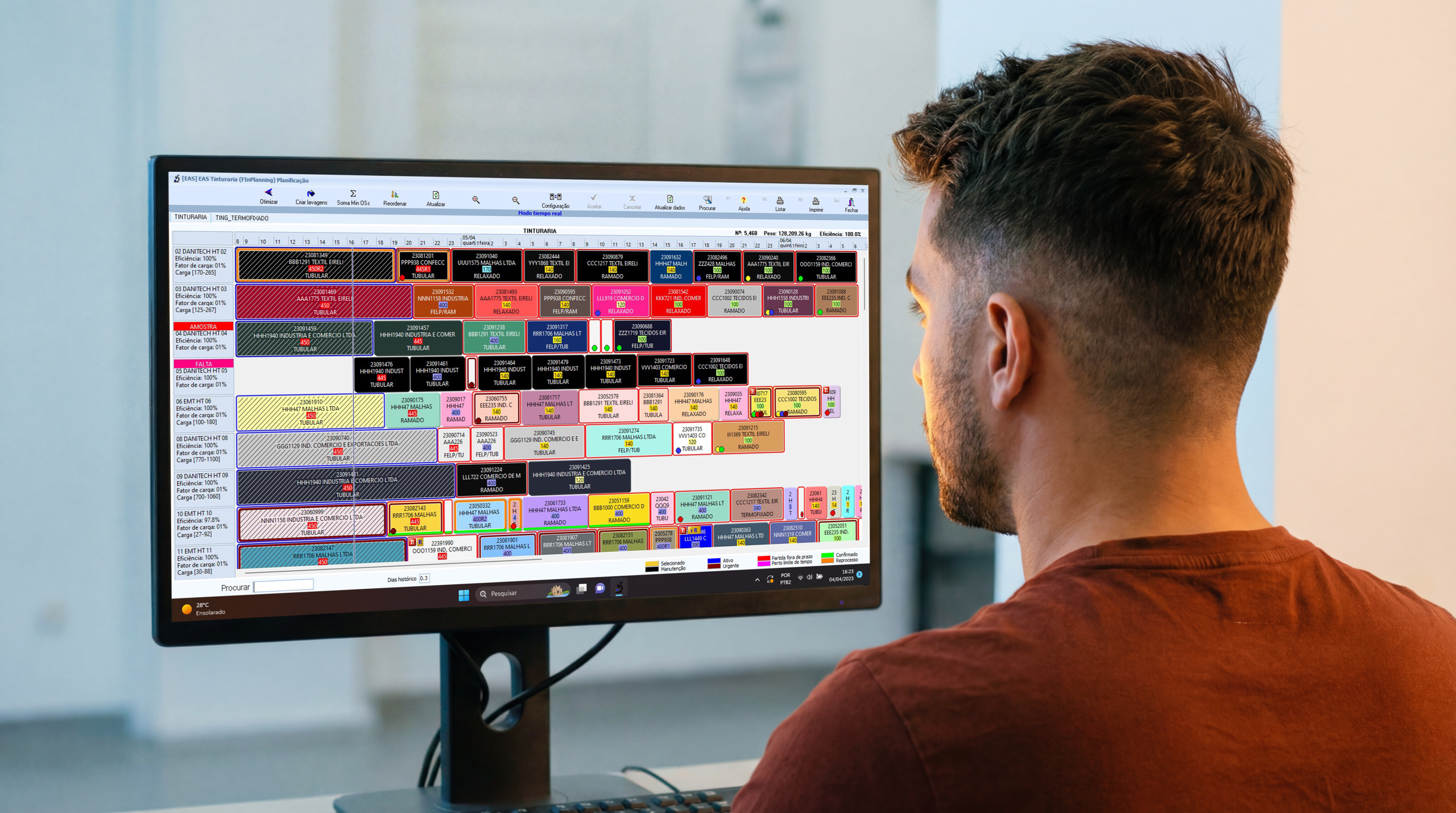
Management · TexDrive
Control production, costs and inventory
Centralizes key information to improve operational control and make decisions with plant data.
Discover TexDriveDo you need to combine several areas of your plant?
See all solutionsEAS ecosystem
From office to machine, a single view of the plant
We integrate management, production and automation to avoid isolated information and convert plant data into actions.
- 01 ERP Business management
- 02 Planning Orders and appeals
- 03 MONTH Production execution
- 04 Recipe Process parameters
- 05 Dosage Precision and control
- 06 Machinery Connected operation
- 07 Quality control Process validation
- 08 Data Information to decide
Results and benefits
More control. Less consumption.
Faster decisions.
- 01
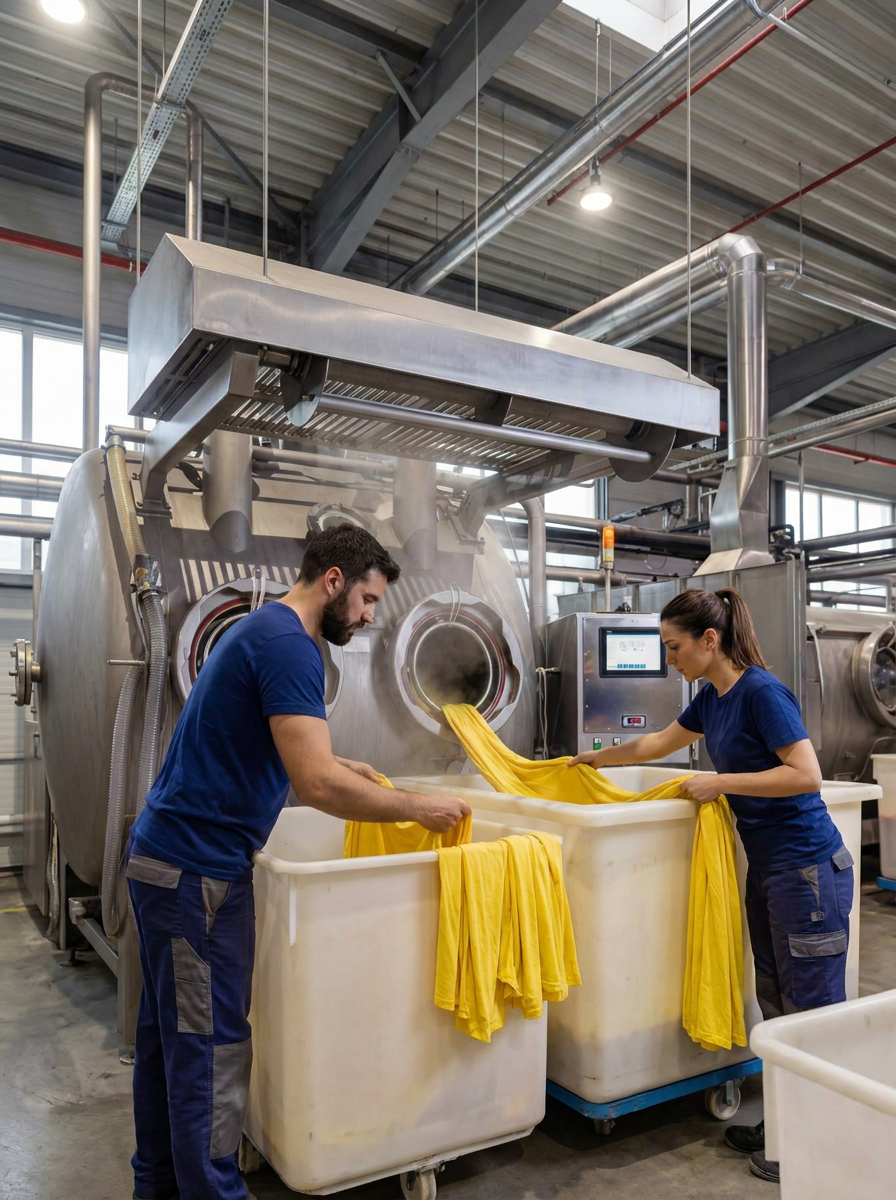
Consumption control
Visualizes resource usage and facilitates deviation detection.
- 02
Accuracy and error reduction
Greater control over parameters, recipes and process execution.
- 03
Batch traceability
Connected information to follow the product through the process.
- 04
Real-time production control
A more immediate view of the state of the plant and production.
- 05
Modernization without replacing all machinery
The plant evolves by integrating existing equipment within the new ecosystem.
- 06
Progressive implementation
It progresses in phases according to the needs and priorities of each facility.
From isolated data to a connected plant
A different way of managing production
Identify where automation can add the most value and propose an evolution adapted to your plant.
Analyze opportunities for improvementsuccess stories
Real and measurable results for efficient production.
Working method
From auditing to a connected plant
A structured process to understand the plant, identify opportunities, and define an implementation adapted to each facility.
- 01
Diagnosis of the current process
First, we understand the starting point and how the process currently works.
- 02
Identification of critical points
We locate the points where there is room for improvement or integration needs.
- 03
Technical and economic proposal
We turned the diagnosis into a concrete proposal for the installation.
- 04
Phased implementation
We structured the project progressively to facilitate its integration into the plant.
- 05
Start-up and support
We completed the implementation and accompanied the entry into operation.
Do you want to know where to start at your plant?
The first evaluation allows us to know the starting point and assess opportunities for improvement.
Initial diagnosis
Find out where your plant is losing efficiency
Share the context of your plant and we will review with you where there are manual processes, disconnected information or automation opportunities.
- No commitment
- Personalized evaluation
Initial diagnosis
Find out where your plant is losing efficiency
Share the context of your plant and we will review with you where there are manual processes, disconnected information or automation opportunities.
What we will review
-
01
Level of digitization
We will review the current level of digitalization of the plant.
-
02
Manual or disconnected processes
We will identify operations that still depend on manual intervention or isolated systems.
-
03
Opportunities for improvement
We will analyze possible improvements in production, dosing, machinery or management.
-
04
Solutions that may fit
We will initially guide which family of solutions can best respond to the detected context.
EAS Resources
Resources to advance textile digitalization
General catalog
A complete overview of EAS solutions
Consult solutions to integrate management, production and automation, modernize existing processes and transform plant data into useful information for decision making.
- Management and planning
- MONTH and production control
- Dosage and automation
- Machinery and modernization
Access to the catalog
Download the EAS general catalog
Complete the basic information to access the catalog and learn about the families of available solutions.
- No commitment
- Corporate information
Frequently asked questions
Frequently asked questions about textile automation
We answer some of the most common questions when digitizing, automating or modernizing a textile plant.
Is your case different?
We can review the context of your plant and help you identify the next step.
Talk to a specialistIn a textile plant, moving towards Industry 4.0 involves connecting information, processes and equipment to have a more integrated vision of production. The goal is not to digitize for the sake of digitizing, but to use plant data to improve control and facilitate decision making.
Modernization can be proposed on existing machinery when the characteristics of the equipment and the installation allow it. The starting point should be to analyze each machine, its control system and the available information to determine what level of integration or retrofitting is appropriate.
An ERP is geared towards business management and resource planning, while a MES is closer to production execution and control. When both environments are connected, management information and plant reality can be part of a more coherent data flow.
The return depends on the starting point and objectives of each installation. To assess it, it is advisable to analyze aspects such as consumption, operational errors, manual tasks, process times and control needs. The initial diagnosis allows us to identify where opportunities exist before defining an investment.
Implementation can be considered progressively to reduce the impact on normal operations. The strategy must be defined according to the installation, the machines involved and the production priorities, establishing the appropriate integration and start-up phases for each project.
Connecting recipes, processes, production, machinery and data makes it easier to have more structured information throughout the process. This improves batch tracking and reduces certain manual operations that can introduce errors or loss of information.
Is your case different?
We can review the context of your plant and help you identify the next step.
Talk to a specialistLet's talk about your plant
Let's talk about the real challenges of your plant
Tell us what process you need to control, connect or modernize. We will help you identify the most appropriate starting point.